
The Complete Beginner’s Guide to Kids Hair Care
Disclosure: Some of the links in this post are affiliate links. This means if you click on the link and purchase an item, I will receive an affiliate commission at no extra cost to you.
Every little one’s hair tells its own story, curly, straight, coily, or somewhere in between, and learning to care for it doesn’t have to feel like a chore or a mystery you need a degree to solve.
That’s exactly why kids hair care basics matter so much. Once you understand what your child’s hair actually needs, everything gets easier.
No more guessing games with products, no more tears during brush time, just simple steps that actually work.You don’t need a shelf full of products or hours of free time to get this right.
Think about the styles that make school mornings smoother, like these easy hairstyles for busy days. Those five extra minutes spent detangling often makes styling your child’s hair easier and faster.
It also creates memories that are hard to forget so make the most of that sweet moment of bonding.Getting the basics right isn’t about being perfect. It’s about building confidence, one wash day and one hairstyle at a time.
A little consistency with the best wash day routine for kids goes a long way toward calmer mornings. Once you get comfortable with the fundamentals of kids hair care basics, you’ll wonder why it ever felt overwhelming.
Small wins add up fast, and every little success makes the next step feel less scary.Lets get you started on what matters for your child’s hair. Shall we?

What Kids Hair Care Basics Really Mean
Kids hair care basics come down to four things: knowing the hair type, keeping it clean, moisturized, and handling it gently.
That’s all. No fancy routines, no long shopping lists, just a few habits done consistently.
Most parents overthink this part.
They see product videos online and assume they need ten steps and a shelf full of bottles.
In reality, kids’ hair thrives on simplicity. A short routine you actually stick to beats a complicated one you abandon after two weeks.
Once you nail these basics, everything else becomes easier. Styling gets faster, breakage slows down, and hair time turns into bonding time instead of a battle.
Getting to Know Your Child’s Hair Type First
You can’t build a good routine without understanding what you’re working with.
Your child’s hair type shapes almost every decision you’ll make, from products down to styling tools.
Curly strands need different care than straight ones, and thickness affects how much tension hair can handle.
Get this right first, and every other choice, products, tools, styles, gets easier.
Why Hair Type Changes Everything
Curl pattern affects how much moisture hair needs and how often it should get washed.
A child with tighter curls usually needs richer products and longer stretches between washes.
Straighter hair often gets oily faster and needs lighter care.
Guessing here leads to frustration. Dry, brittle strands or greasy roots usually point to a mismatch between the hair type and the routine being used.
Learning how to identify your child’s hair type takes the guesswork out completely.
Quick Ways to Check Your Child’s Hair Texture
Wet a small section of hair and watch how it dries. Tight coils, loose waves, and straight strands all behave differently as they air dry.
This simple test tells you more than any product label ever will.
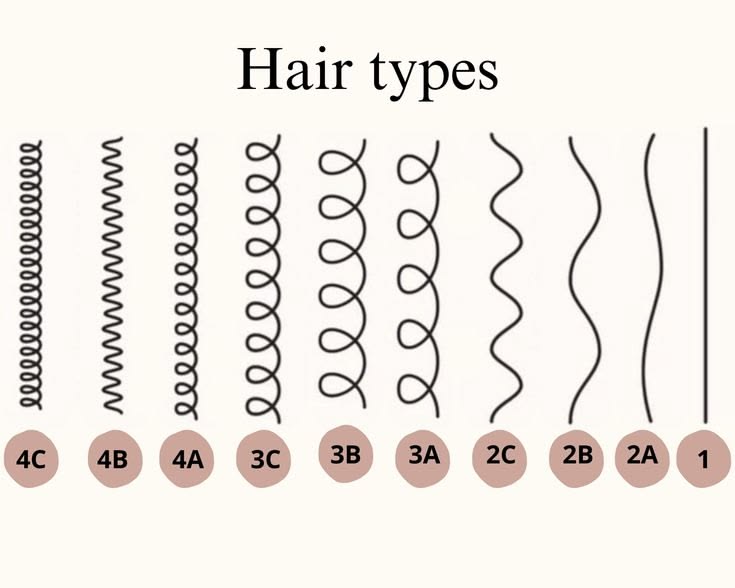
Curl patterns generally fall into a few broad groups, each with its own quirks and needs.
If your child has looser curls, hair type 2: care guide for kids walks through the small tweaks that make the biggest difference for that texture.
Building a Simple Wash Day Routine
Wash day sets the tone for everything else. Get this part right, and detangling, styling, and moisture all fall into place naturally.
A calm wash day means less fighting, fewer tears, and hair that actually cooperates afterward.
Rushing through it usually backfires, leaving strands tangled and parents frustrated before the routine even starts.
Slowing down here saves time later, even when it feels like the opposite in the moment.
How Often Should You Really Wash
Most kids don’t need daily washing. Overwashing strips natural oils and leaves hair dry and harder to manage.
Curlier hair types often do best with washing once a week or every ten days.
Straighter hair textures may need more frequent washing since oil travels down the strand faster.
There’s no single right answer here, so pay attention to how your child’s scalp and strands respond over a few weeks.
Steps For A Stress-Free Wash Day
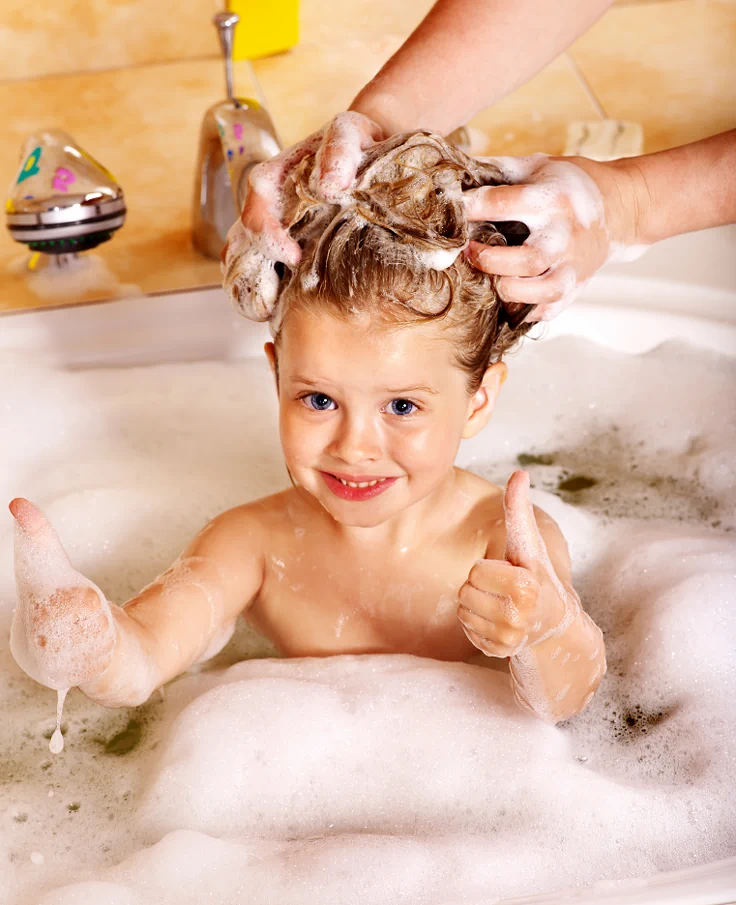
Start by detangling dry hair before it touches water. Wet, tangled hair breaks more easily, so this step matters more than most parents realize.
Section the hair into four or five parts to make the process manageable.
Use a sulfate-free shampoo and focus it on the scalp, letting the suds rinse down the rest of the strands.
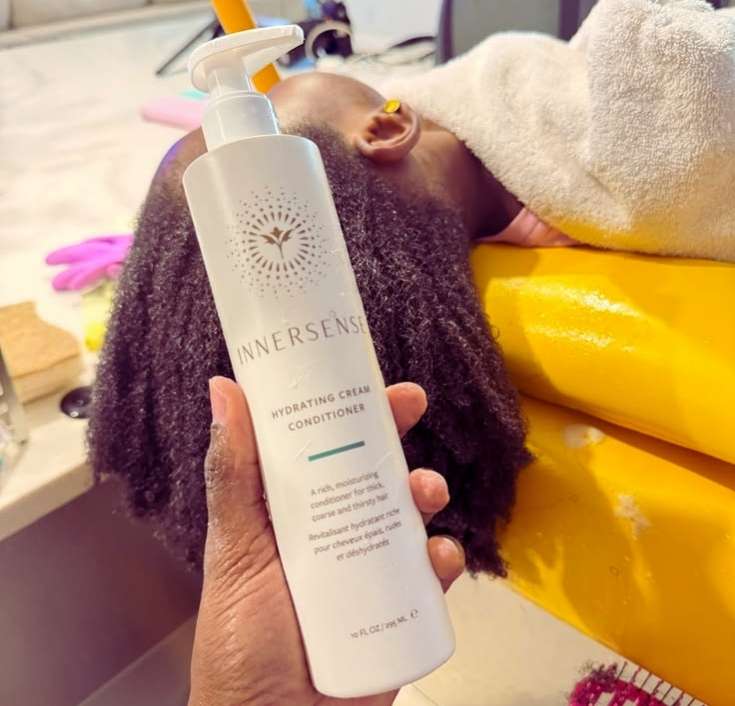
Follow with a conditioner that matches the hair’s texture and needs. Keep the order consistent and timing will start to feel automatic.
Moisturizing: The Step Most Parents Skip
Moisture keeps hair soft and less prone to snapping, so skipping it is the biggest mistake in kids hair care basics.
Layer products right: water hydrates hair, while oil only seals moisture in rather than adding it.
Apply a light leave-in conditioner to damp hair, then a cream, then a light oil to lock it in for days.
Reapply moisture between wash days, especially around the ends where dryness shows up first.
How to moisturize kids hair properly dives deeper into the exact product order and application tricks that actually stick.

Detangling Without the Drama
Detangling causes more frustration than any other part of the routine, but it doesn’t have to.
The right tools and technique change everything.
Most of the drama comes from rushing or grabbing the wrong tool for the job.
A gentle approach, paired with a little patience, turns this dreaded step into something far more manageable.
Once you find a rhythm that works, detangling stops feeling like a battle and starts feeling like just another quick step.
Tools That Make a Difference
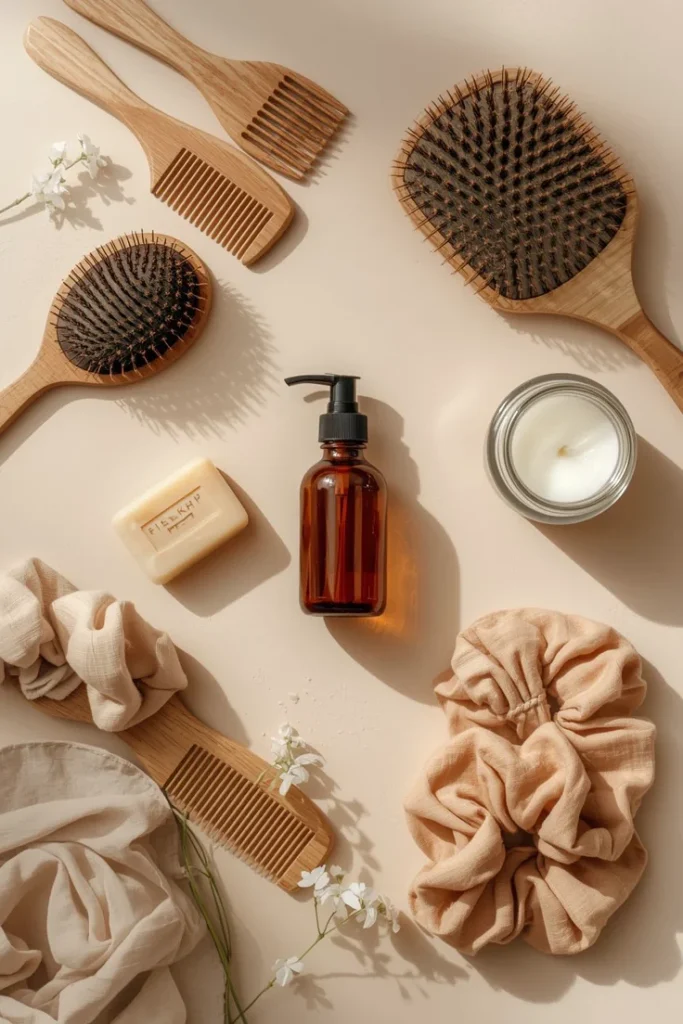
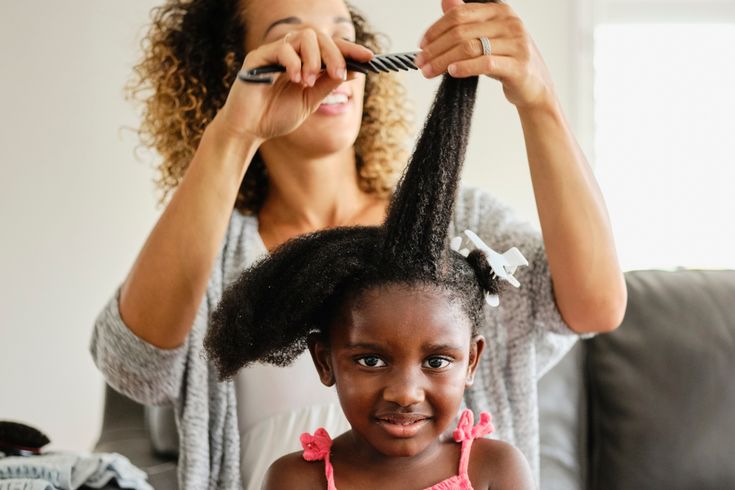
A wide-tooth comb removes knots without snapping strands, and finger detangling first loosens things up gently.
Skip tight-bristle brushes on wet, curly hair since they cause breakage.
Detangle in small sections, starting at the ends and working up, rushing this step is where most breakage happens.
The best hair brushes for kids compares options by texture and age, so you can pick with confidence.
Protecting Hair While They Sleep
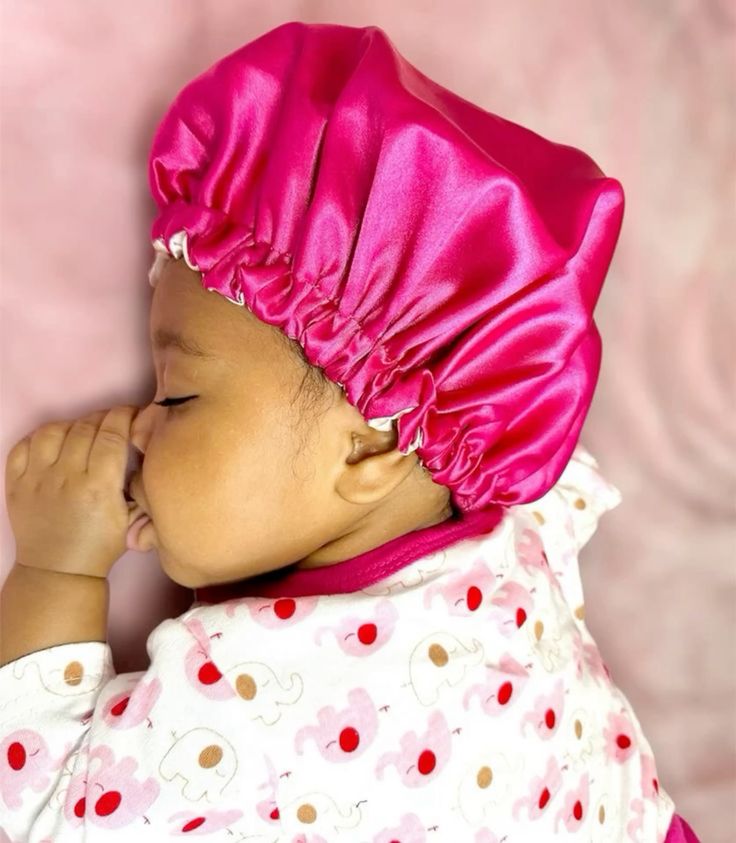
Cotton pillowcases pull moisture from hair overnight, leaving it dry and frizzy by morning. Swapping to satin or silk solves this problem instantly.
A satin bonnet or satin pillowcase reduces friction while your child sleeps, which means fewer tangles and less breakage.
It also helps styles like braids and ponytails last longer between refreshes.
Satin bonnets for kids: do they help? answers common questions about comfort, fit, and getting kids to actually keep one on.
Everyday Styling Made Simple
Once the basics feel comfortable, styling becomes the fun part.
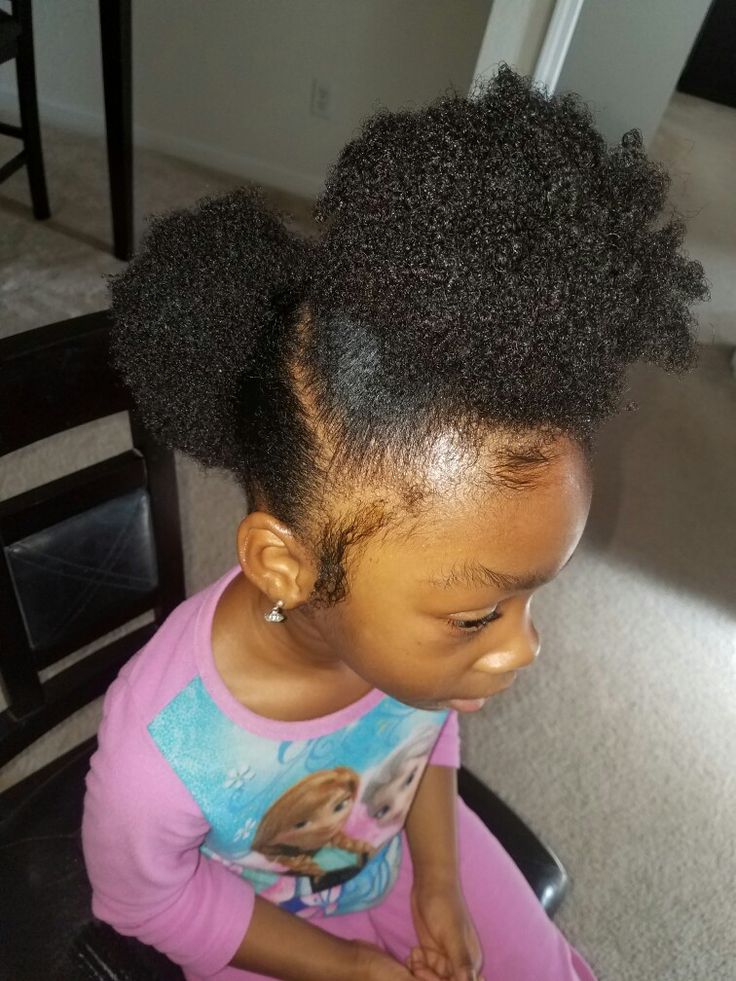
Simple styles protect hair while making mornings feel a little more special, and this is where personality gets to shine, from bold braids to a simple, no-fuss puff.
Protective styles also give hair a break from constant handling, which helps prevent breakage and supports length retention over time.
Rotating between a handful of quick, reliable looks means less decision fatigue on school mornings. Best of all, a few go-to styles make busy mornings feel a lot less chaotic.
Quick Styles for School Mornings
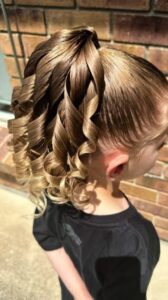
On busy days, speed matters most, since simple twists, buns, and puffs take minutes and still look put together.
30 five-minute hairstyles for busy school mornings covers quick options that hold up through recess and gym class alike.
Rotating through a small handful of go-to styles keeps mornings predictable instead of stressful, especially once your child settles into a favorite or two.
Sticking to styles that don’t need constant redoing also means less handling and healthier hair overall.
Once you’ve got two or three reliable options on rotation, mornings stop feeling like a scramble.
Braids and Protective Styles
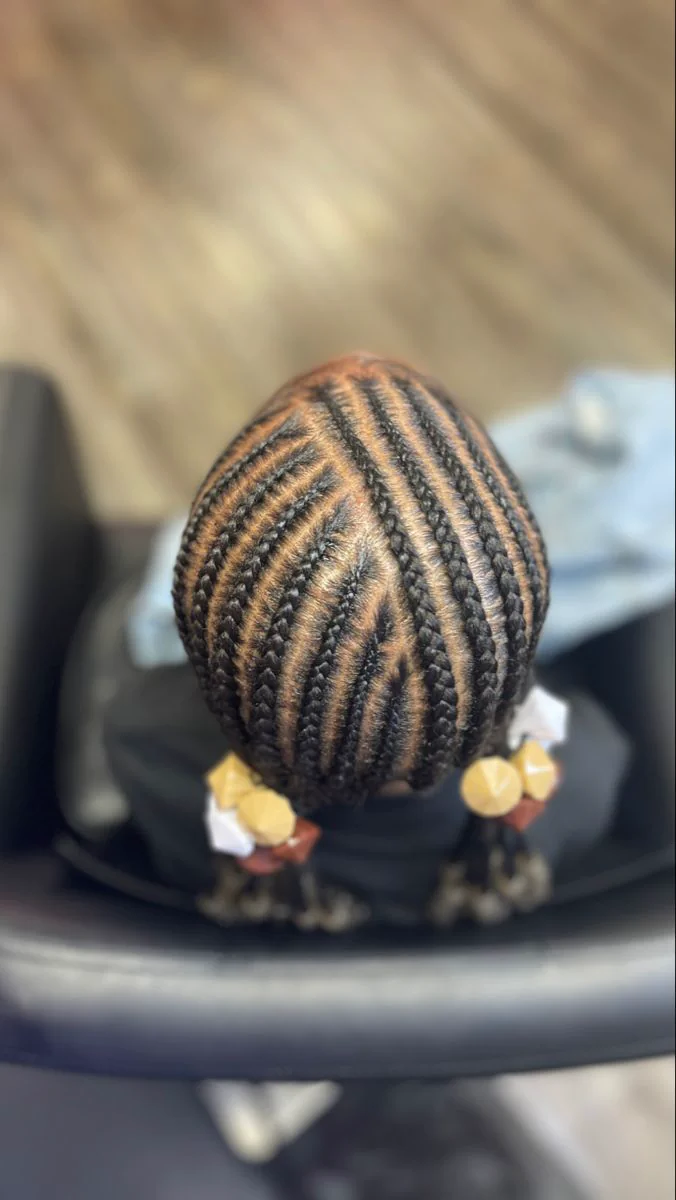
Braids protect hair from daily manipulation and reduce breakage significantly, keeping strands tucked away from constant friction and handling.
31 best braided hairstyles for kids shows a wide range of options across different lengths, textures, and skill levels.
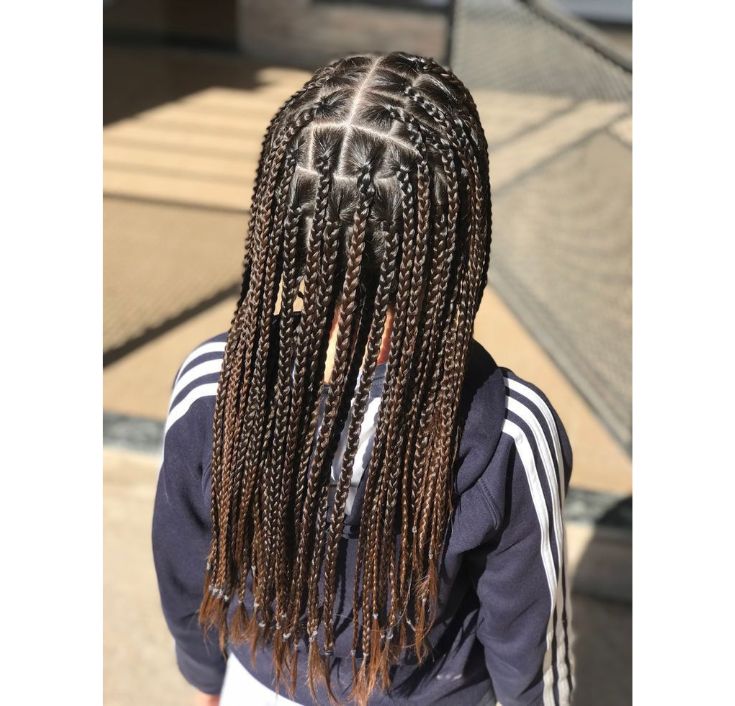
For something a little different, 21 cute knotless braids for kids feels gentler on the scalp than traditional braiding since there’s no tight starter knot pulling at the roots.
It still holds up through a full week with proper care, especially with a satin bonnet at night.
Cute Everyday Options
Cute Everyday Options
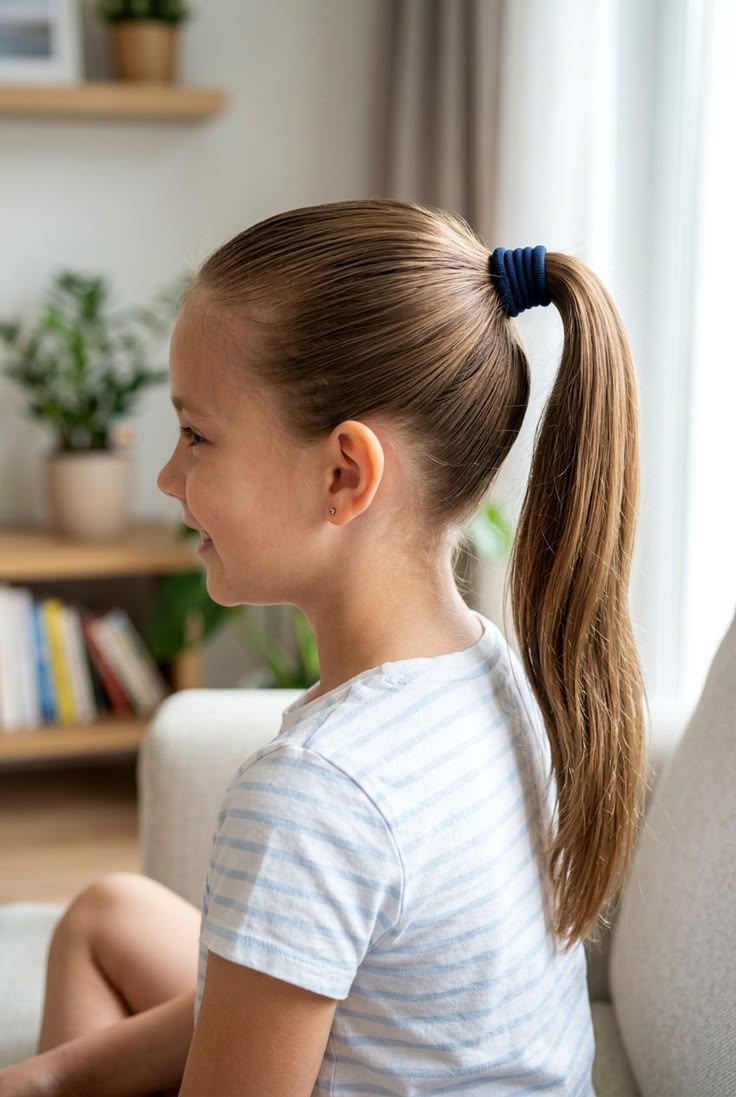
Ponytails remain one of the simplest, fastest styles around, and 19 cute ponytail hairstyles for kids proves there’s more variety than most parents expect.
Finish with accessories that actually stay put hair bows for kids that stay in place shares tricks for keeping bows secure all day.
A simple puff works well for shorter hair or thicker textures.
Gather hair loosely at the crown, secure with a soft elastic, and fluff for volume without pulling on the edges.
Space buns add fun without extra time.
Part hair down the middle, twist or braid each side, then wrap into two buns ,they hold up through active play better than a single ponytail.
Haircuts and Trims
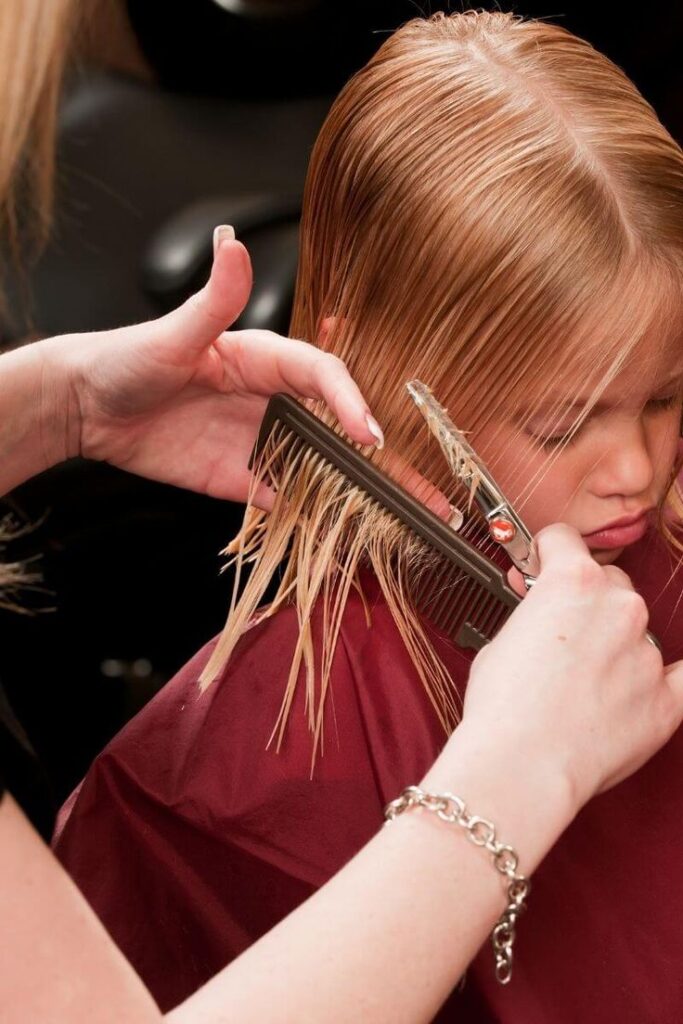
Trims matter just as much as daily care, though many parents skip them out of fear or uncertainty.
But regular trims especially for kids, remove split ends before they travel up the strand and cause more damage.
Even a small trim every few months keeps hair looking healthier and growing stronger.
Skipping trims doesn’t save length, it just lets damage spread further.
How Often Kids Actually Need Trims
Regular trims remove split ends before they travel up the hair shaft and cause more damage.
Most kids benefit from a trim every two to three months, though this varies by hair type and styling habits.
Wondering should you trim your child’s hair regularly? The short answer is yes, and the full guide explains exactly why, along with how often to book that appointment.
Making the First Haircut Easier
First haircuts can feel like a big milestone, and a little preparation goes a long way toward keeping the experience calm and fun.
Bring a favorite toy, snack, or even a tablet to keep them settled and distracted in the chair.
Choosing a stylist who’s patient with kids also makes a huge difference in how the visit goes.
Looking for style inspiration for a little girl? 13 best haircuts for little girls rounds up age-appropriate ideas that grow out gracefully.
For boys, 23 cute haircuts for boys covers styles that stay low-maintenance between trims.
For the Youngest Ones: Baby and Toddler Hair
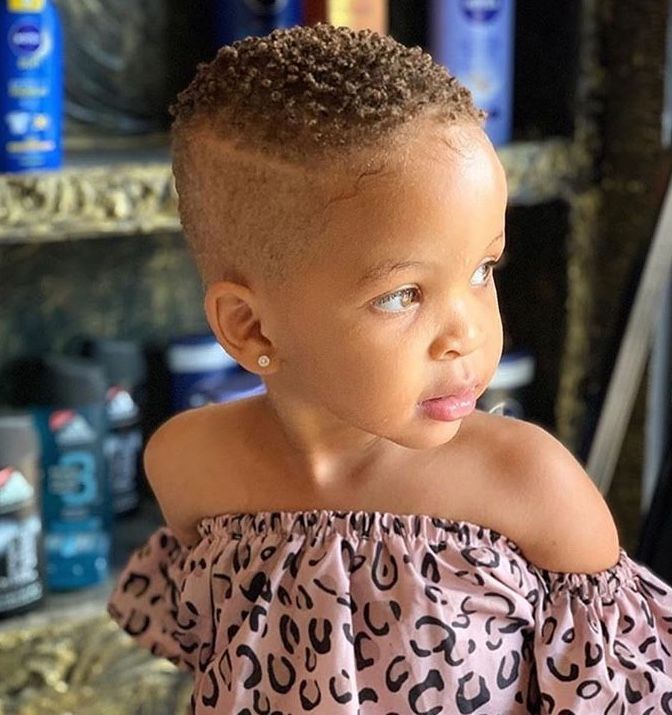
Babies and toddlers need a much more gentler approach than older kids, since their hair and scalp are still developing and you don’t want to make them uncomfortable.
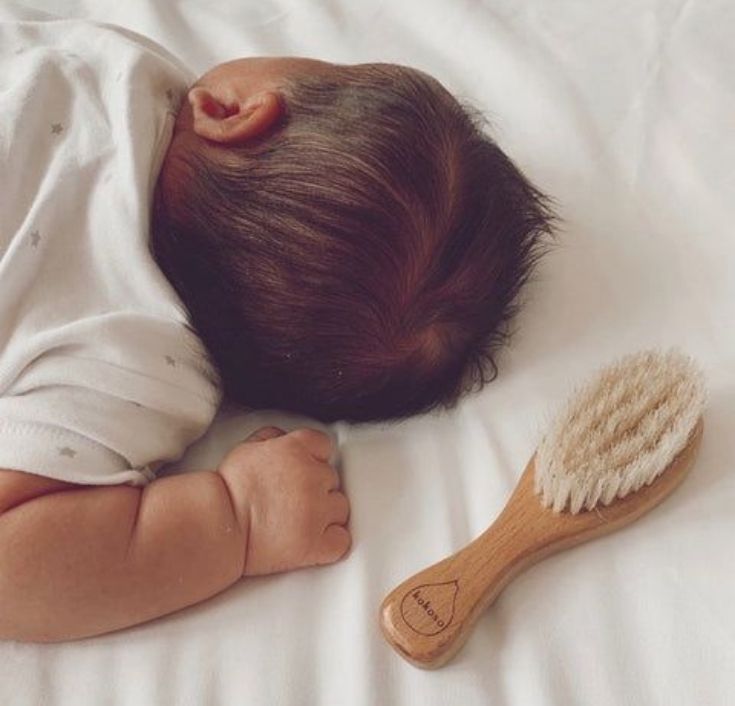
Skip harsh detangling tools and stick to soft brushes made for delicate strands.
Wash less often too, since baby hair rarely gets as dirty as an active school-ager’s. A
little extra patience goes a long way at this stage.
When Hair Growth Actually Starts
Some babies arrive with a full head of hair, while others stay bald for months, and both situations are completely normal since it depends mostly on genetics and hormones from pregnancy.
When do babies start growing hair? explains what to expect at each stage, from the first soft fuzz to a full head of strands.
Growth patterns vary widely even between siblings, so there’s no single timeline to worry about.
Some babies also lose their newborn hair around three months before it grows back in a different texture or color.
Focus less on comparing to other babies and more on keeping the scalp clean, moisturized, and gently cared for.
Simple Routines for Little Ones
Toddler hair needs less product and gentler handling than a school-age child’s hair.
Toddler hair care made simple breaks the routine down into steps that fit a toddler’s short attention span, keeping things quick before they lose interest.
For newborns specifically, baby hair care routine for new parents covers cradle cap, first washes, and gentle detangling from day one.
A soft brush and a few minutes is really all this age group needs.
Common Mistakes to Avoid
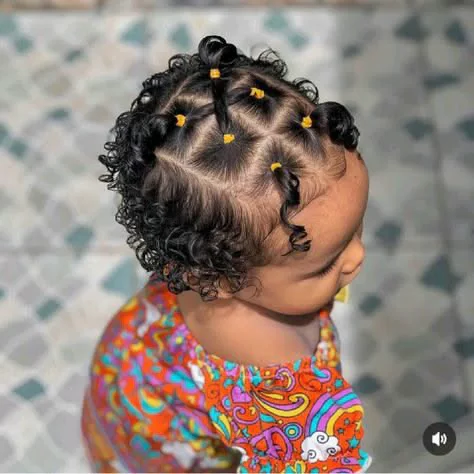
A few habits quietly undo all your hard work, even with the best intentions.
Washing too often strips natural oils and leaves hair dry and brittle. Skipping moisturizer between washes leads to the same problem.
Brushing dry, tangled hair without detangling first causes unnecessary breakage.
Using adult hair products on kids’ hair often backfires too, since many contain ingredients too harsh for a child’s scalp.
Ignoring regular trims lets split ends creep upward and damage healthy hair over time.
Small adjustments here make a noticeably bigger difference than any expensive product ever could.
Building a Routine That Sticks
The real secret behind healthy hair isn’t one magic product. It’s consistency, patience, and a routine simple enough to actually follow week after week.
Start small. Pick one wash day, one moisturizing routine, and one go-to style for busy mornings.
How to build a healthy hair routine for kids walks through creating a schedule that fits your family’s actual life, not some picture-perfect version of it.
Give yourself grace on the messy days too. Every parent has a rushed morning with a lopsided bun or a wash day that runs long.
Those moments matter far less than showing up consistently over time.

Frequently Asked Questions
How do I know if my child’s hair is dry? Look for dullness, roughness, or strands that snap easily when stretched.
Dry hair often feels stiff instead of soft and springy.
Can I use the same products on all my kids? Not always.
Different hair types need different moisture levels and product weights, even within the same family.
Is it normal for kids to hate having their hair done? Very normal.
Gentle detangling, distraction techniques, and shorter sessions usually help ease the resistance over time.
Do boys need a hair care routine too? Yes. Scalp health and moisture matter regardless of hair length, so boys benefit from the same basics.
How long does it take to see healthier hair? Most parents notice softer, less tangled hair within three to four weeks of consistent care.

Final Thoughts
Kids hair care basics don’t require perfection, expensive products, or hours of your time.
They require a little knowledge, a bit of patience, and a routine you can actually stick to on real, busy weeks.
Every wash day, every braid, and every silly conversation over a comb builds something bigger than neat hair.
It builds trust, connection, and memories your child will carry long after they’ve outgrown the styles themselves.
Start with one small step today. The rest will follow naturally, one hair day at a time.


One Comment